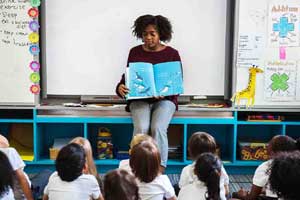
Hybrid learning is modern twist on traditional face-to-face, full-time learning. It requires the physical presence of both teacher and learner while providing the learner some control over time and pace.
The most popular implementation of this type of instruction involves a combination between face-to-face teaching sessions or seminars at school or college campuses where students are taught by educators who may be physically present but not always actively engaged in hands on activities with their students; these classes often use virtual classrooms for interactive discussions among learners during class time.
Usually contact classes are delivered via hybrid learning, providing students with the flexibility to attend on campus or virtually. This hybrid model allows for a personalised experience that is ideal for busy professionals and those who want to learn in an environment tailored specifically around their needs.
This allows students to learn in a more flexible way that suits their lifestyle needs while still receiving the same quality of education they would have otherwise received if attending in person classrooms.
Pros
-
Flexibility: Hybrid learning offers students the flexibility to learn at their own pace, on their own schedule, and from any location with an internet connection.
-
Enhanced learning: Hybrid learning can enhance the learning experience by providing access to a wider range of resources, such as online videos, simulations, and interactive content.
-
Personalized learning: Hybrid learning can allow students to learn at their own pace and customize their learning experience to suit their individual needs.
-
Reduced costs: Hybrid learning can potentially reduce costs associated with commuting, textbooks, and other materials.
-
Improved engagement: Hybrid learning can increase engagement and participation by providing a variety of learning activities and opportunities for interaction with peers and instructors.
Cons
-
Technical difficulties: Hybrid learning can be challenging for students who lack access to reliable technology or high-speed internet.
-
Lack of face-to-face interaction: Hybrid learning may reduce the amount of face-to-face interaction between students and instructors, which can impact socialization and engagement.
-
Self-discipline: Hybrid learning requires students to be self-disciplined and motivated to keep up with coursework and deadlines.
-
Potential for isolation: Hybrid learning can be isolating for students who prefer social interaction and thrive in a traditional classroom environment.
-
Unequal access: Hybrid learning may not be accessible to all students, particularly those who lack access to technology or face socioeconomic barriers.
Hybrid learning allows students more time for their studies and personal lives while also giving them access to a world of opportunities that would otherwise be unavailable without this type of education.